
We, Aarnitha and Aradana, undertook this project as part of the IGCSE Global Perspectives Team Project. Our initial inquiry focused on the environmental impact of contemporary cosmetic industries and the gradual erosion of traditional knowledge systems. As we examined patterns of production, consumption and waste, we began to question how everyday personal care practices contribute to broader ecological and cultural challenges.
Through research, discussion and reflection, we explored whether an enterprise could be reimagined in a way that aligns sustainability with cultural continuity. This question gradually shaped the direction of our project.
Our project began with an exploration of the environmental impact of contemporary cosmetic industries. We examined how large-scale production relies on synthetic formulations, intensive packaging and marketing strategies driven by constant innovation. Through our research, we identified links between these practices and broader concerns such as chemical pollution, waste generation and resource depletion.
Alongside environmental considerations, we explored the cultural dimension of the issue. We observed that many traditional personal care practices were locally sourced, minimally processed and biodegradable, developed through generations of accumulated knowledge. As globalised consumer culture expands, such intergenerational knowledge systems are gradually displaced.
.png)
Understanding the issue required us to examine both environmental sustainability and cultural continuity. We therefore framed our inquiry around the question of whether traditional formulations could be reintroduced in ways that remain relevant within a contemporary economic context.
After examining the environmental and cultural dimensions of the issue, we began to consider how we might respond in a meaningful and practical way. Rather than limiting our work to theoretical analysis, we wanted to explore whether an alternative model could be tested in a real-world context.
We decided to develop a small-scale sustainable enterprise inspired by traditional cosmetic formulations. Our intention was not simply to recreate products from the past, but to examine whether such formulations could function within a contemporary economic framework while remaining environmentally responsible.
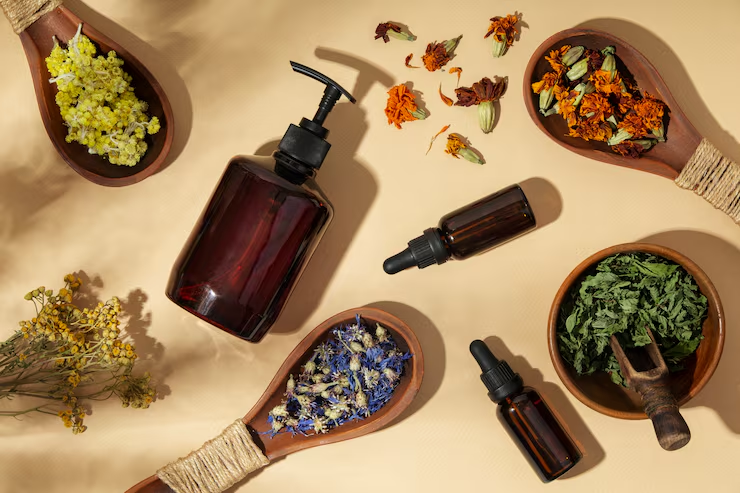
We researched ancestral recipes within our families and local knowledge systems, evaluated ingredient availability and sustainability, and reflected on questions of affordability and accessibility. Gradually, our response took shape as a practical experiment in aligning tradition, sustainability and enterprise.
In developing our enterprise, we identified three guiding principles: cultural rootedness, environmental sustainability and minimalism. These principles informed our decisions regarding formulation, sourcing, packaging and pricing.
We adapted traditional recipes for contemporary use, ensuring that ingredients were plant-based and minimally processed. We prioritised materials that reduced waste while remaining practical and affordable. At each stage, we considered how our choices reflected both ecological responsibility and economic feasibility.
Rather than presenting tradition as nostalgic, we approached it as functional and relevant within present-day contexts. Our aim was to test whether sustainable alternatives could coexist within a viable enterprise structure.
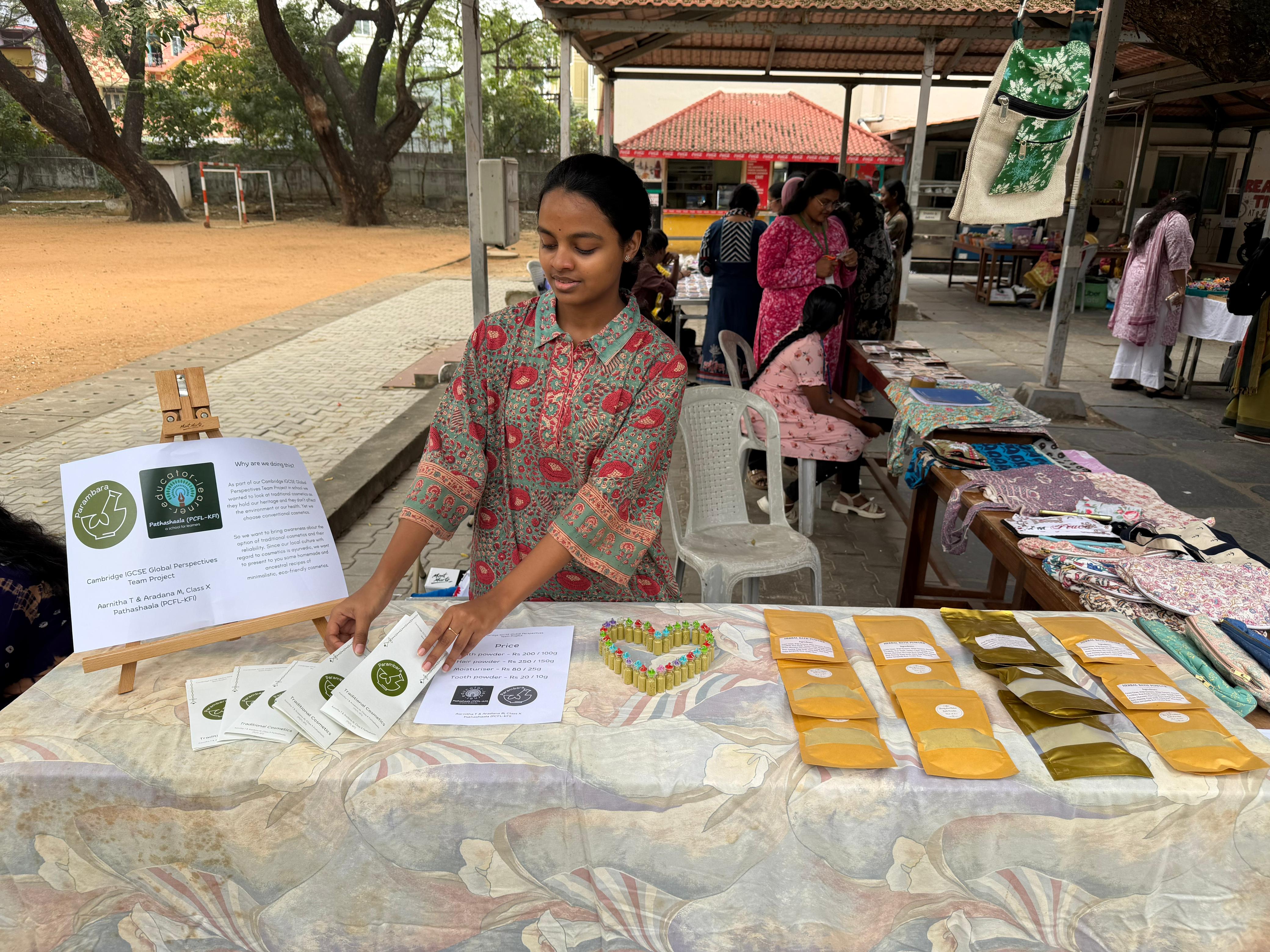
As part of our business model, we developed a set of sample products based on traditional formulations. These were created for the purpose of testing feasibility, formulation methods and consumer response within the scope of our project.
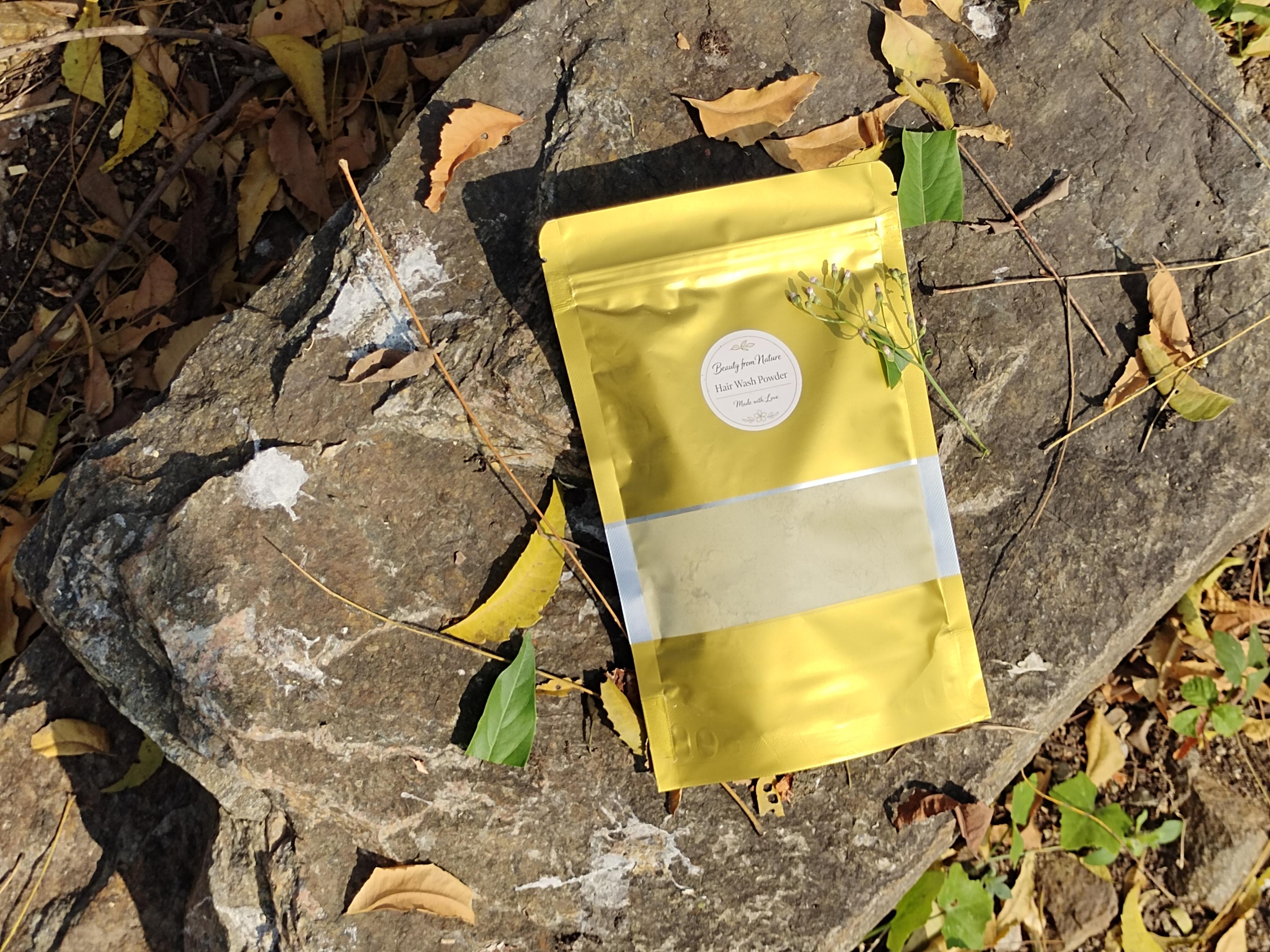
A plant-based hair cleanser inspired by ancestral recipes used for scalp health and gentle cleansing. The formulation drew upon locally available herbs traditionally associated with strengthening and maintaining hair.
Intended Benefits:
1. Supports hair growth and strengthening
2. Promotes scalp health by helping to reduce dryness and buildup
3. Contributes to natural shine and smoothness
4. Provides gentle cleansing and may assist in maintaining scalp hygiene
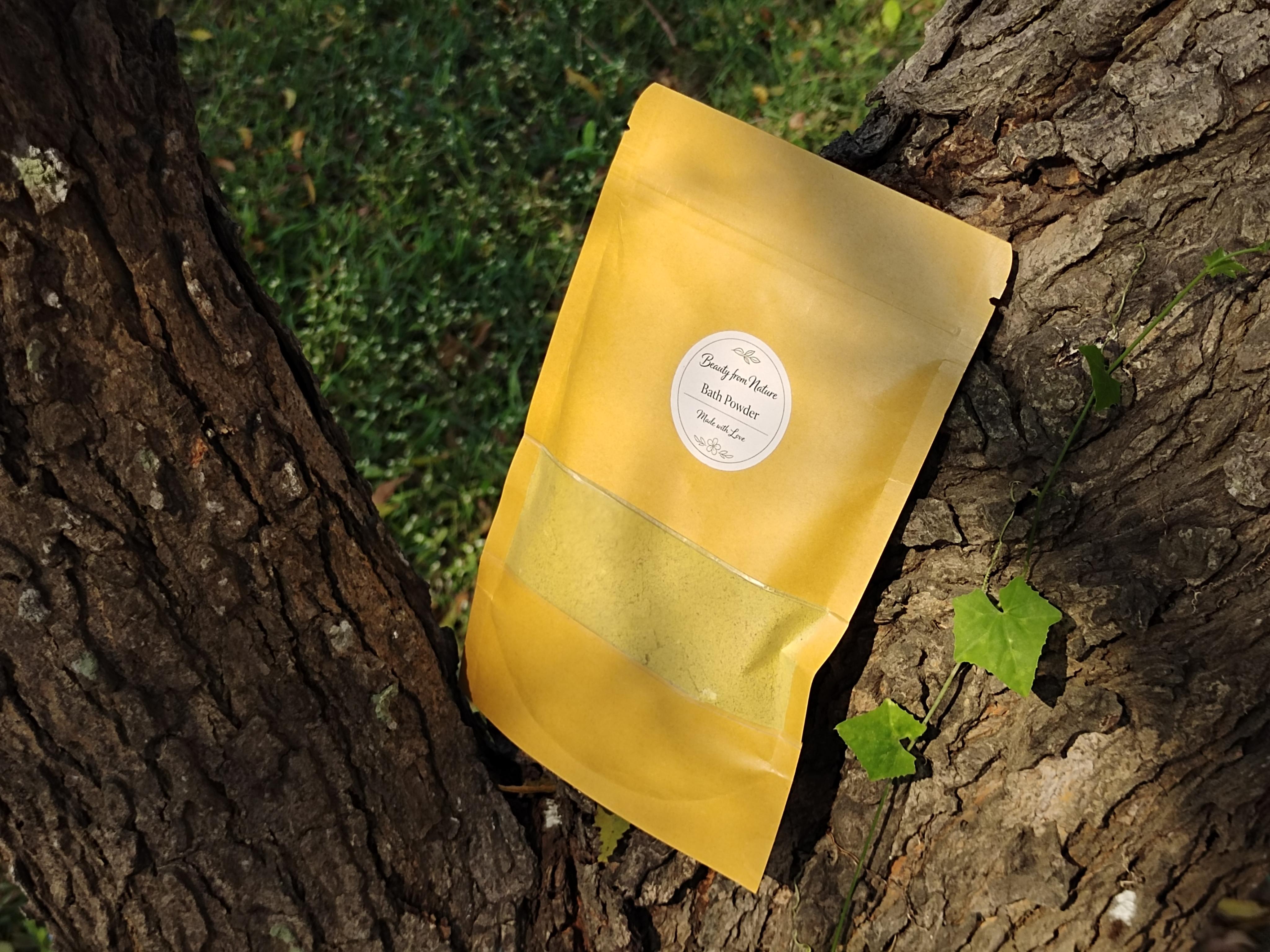
A grain- and herb-based body cleanser derived from intergenerational skin-care practices. The ingredients were selected for their natural cleansing properties and their minimal environmental impact.
Intended Benefits:
1. Promotes natural skin brightness
2. Supports acne prevention
3. Soothes irritation
4. Acts as a mild exfoliant
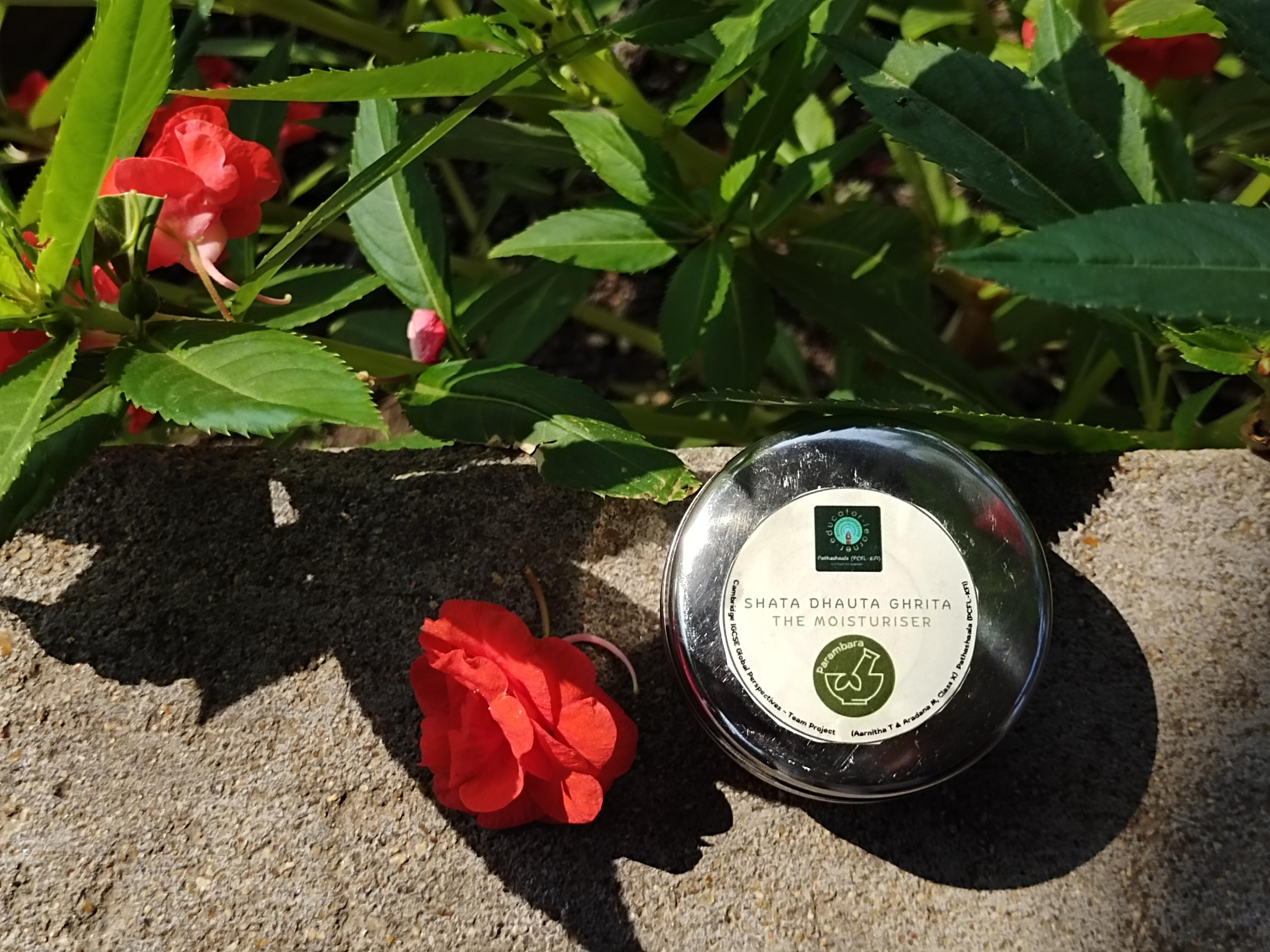
A simple moisturising blend formulated using traditionally nourishing ingredients. The objective was to explore whether minimalist formulations could provide effective care without reliance on synthetic additives.
Intended Benefits:
1. Provides deep moisturisation
2. Supports skin elasticity
3. Offers mild protective properties
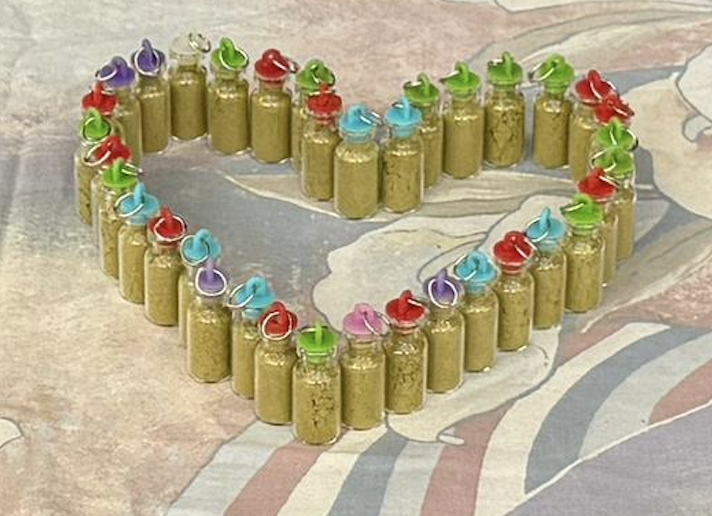
A low-waste oral hygiene formulation inspired by traditional herbal practices. This product allowed us to examine questions of packaging, portion size and consumer willingness to adopt alternative formats.
Intended Benefits:
1. Supports oral hygiene
2. Promotes gum health
3. Contributes to freshness
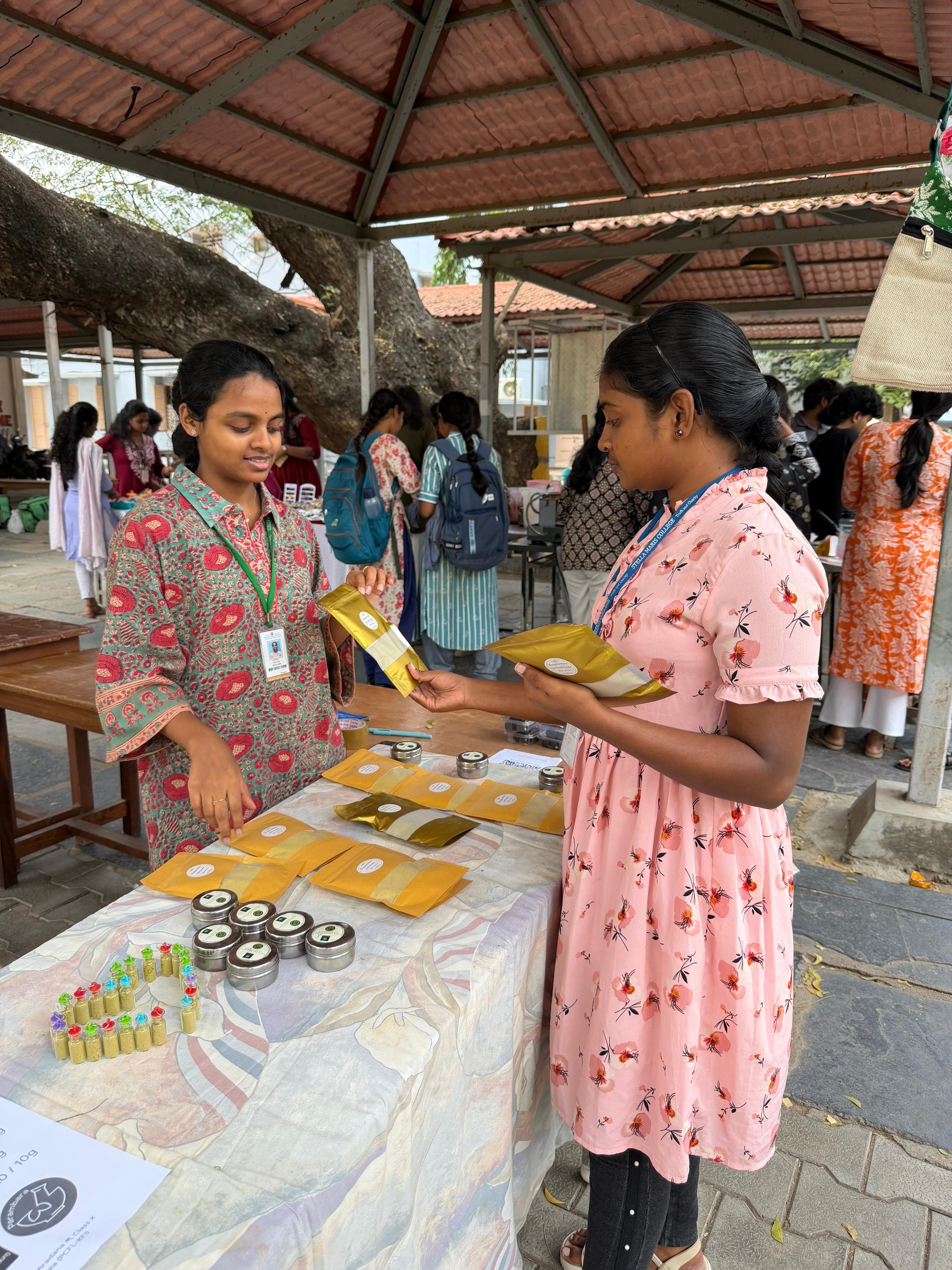
To assess the feasibility of our enterprise model, we organised a stall at Stella Maris College as a practical testing ground. This allowed us to present our sample products, explain our sustainability approach and observe consumer engagement in a real-world context.
We noticed variation in responses across age groups. College-going students showed hesitation towards unfamiliar low-waste alternatives, while faculty members and visitors above the age of forty expressed greater interest in traditional and plant-based formulations. These interactions highlighted the role of familiarity, credibility and affordability in shaping consumer decisions.
Following the stall, the proceeds generated were contributed to the GOODWILL HANDS LEPROSY PATIENTS SERVICE CENTRE, extending the purpose of our project beyond experimentation. The remaining sample products were shared with the Non-Teaching Staff members at Pathashaala, whose familiarity with traditional practices offered meaningful feedback.
This phase enabled us to evaluate both the potential and the limitations of introducing sustainable alternatives within established systems of consumption.
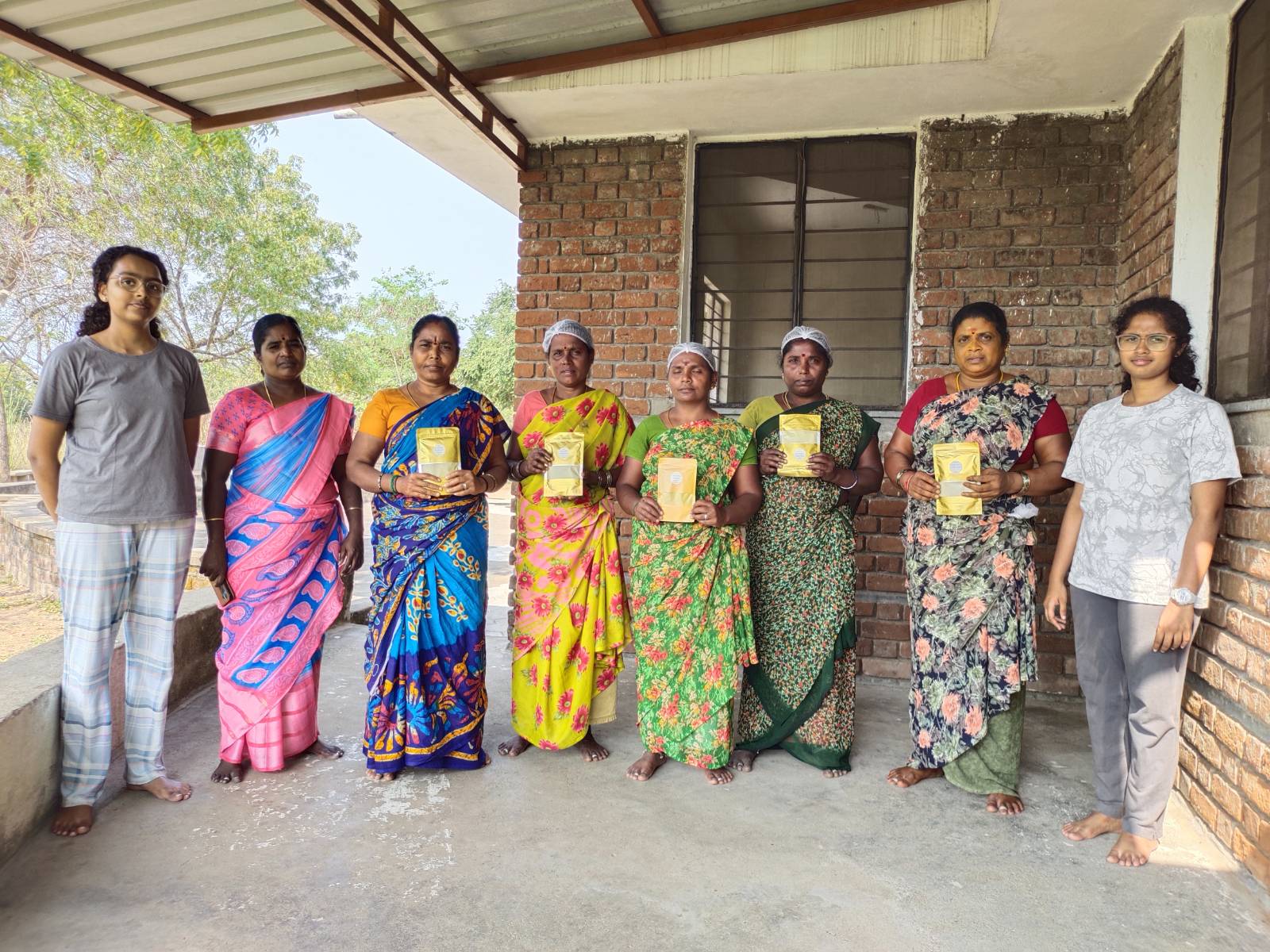
Through this project, we came to understand that sustainability involves more than environmentally responsible ingredients or reduced packaging. It requires awareness, dialogue and a willingness to question familiar systems of consumption. Engaging directly with consumers allowed us to recognise both the openness and the hesitation that accompany change.
We also developed a deeper appreciation for the knowledge embedded within traditional practices. What may appear simple or outdated often reflects generations of ecological understanding and lived experience. Revisiting these formulations required us to approach tradition with respect while adapting it thoughtfully to contemporary contexts.
Most importantly, this project reshaped our understanding of enterprise. We began with a research question, and through investigation, experimentation and reflection, we realised that enterprise can serve as a space for responsibility and renewal rather than purely economic activity. This experience strengthened our ability to connect research with responsible action.
Insights shared by Ms Lakshmi Vennela, Founder of Thanmayi Essentials, and feedback from college students who used the products provide perspectives on quality, usability and relevance.